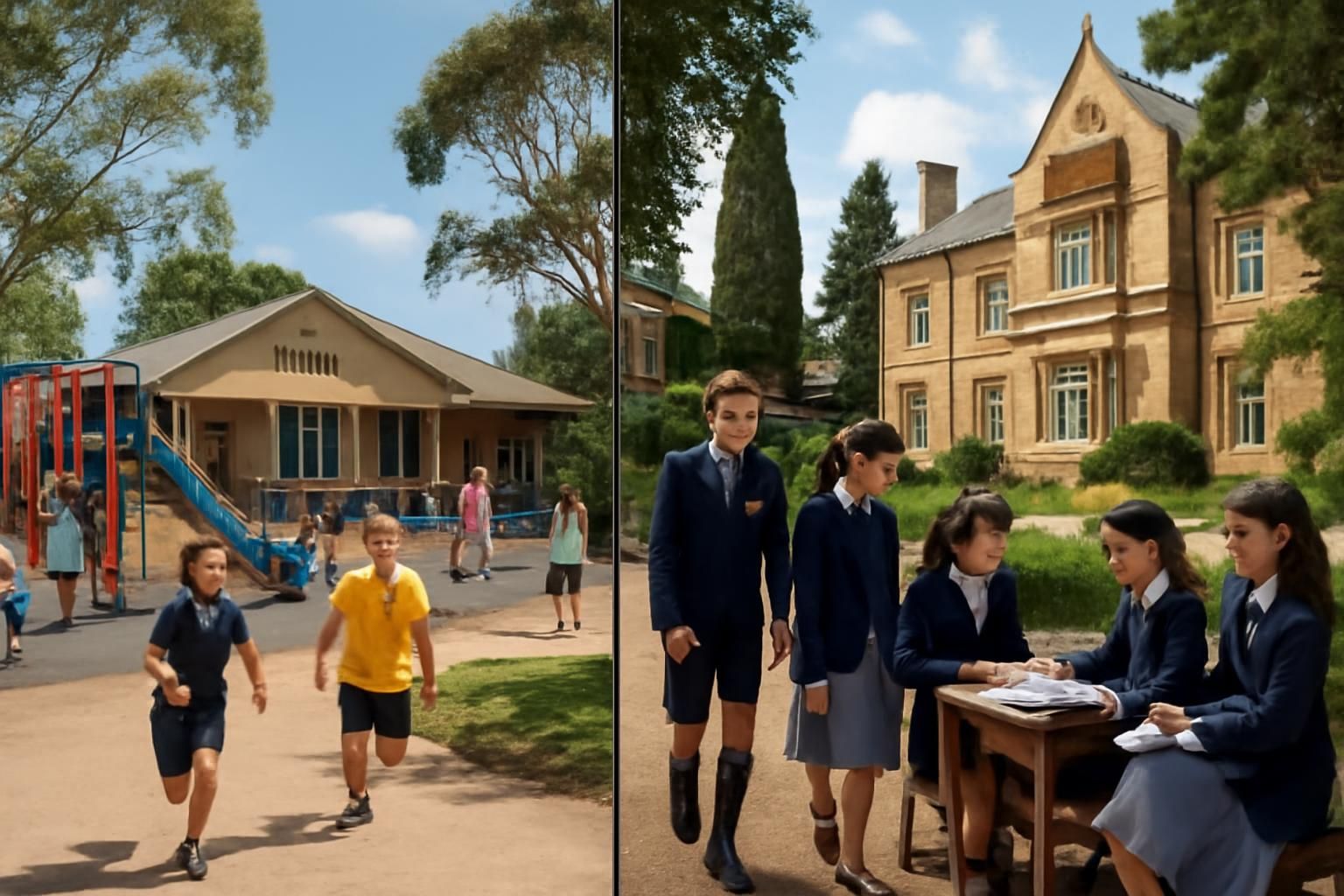
Choosing the best educational path for your child in Australia is an intricate journey filled with debates and considerations. The decision between public and private schools often goes beyond finances, delving deep into the nuances of education quality, learning environments, community values, and future opportunities. Australia’s education landscape offers diverse pathways, each shaped by distinct philosophies, funding structures, and outcomes. Understanding these differences is paramount as parents navigate through various options to ensure a robust foundation for their child’s academic and social growth.
The educational system in Australia is segmented into public, Catholic, and independent schools, each representing unique communities and resource allocations. While public schools stand as government-funded institutions accessible almost universally, private schools, comprising both Catholic and independent schools, often emphasize specialized curricula and advanced facilities. This divergence shapes not only academic performance but also the overall school experience, influencing student engagement, extracurricular involvement, and community participation.
Financial considerations remain at the forefront, with private schooling costs averaging between $23,000 to $50,000 annually, a significant investment compared to the generally lower fees or free tuition in public schools. However, this financial gap coincides with debates on the value derived from tuition fees, such as smaller class sizes, enriched extracurricular opportunities, and enhanced facilities often associated with private institutions. Meanwhile, public schools pride themselves on fostering inclusive environments that mirror Australia’s multicultural and socio-economic diversity, potentially better preparing students for real-world social dynamics.
As families weigh these factors in 2026, it is vital to explore the intricate facets of Australia’s public and private school sectors, scrutinizing aspects like funding, academic results, curricular breadth, student well-being, and community connections. Such a comprehensive outlook provides a more nuanced understanding, enabling families to make well-informed decisions aligned with their values, financial capabilities, and most importantly, their child’s unique educational needs.
- Australia’s education system comprises public, Catholic, and independent schools, each reflecting different funding and community profiles.
- Private schools charge substantial tuition fees, ranging from $23,000 to $50,000 annually, while public schools offer low-cost or free education funded by government resources.
- Private schools often provide smaller class sizes and enhanced academic performance but may lack the socio-economic diversity found in public schools.
- Public schools promote inclusiveness and community engagement, preparing students for diverse social environments.
- Decision-making for school choice involves evaluating academic offerings, school facilities, social atmosphere, and family budgets.
Understanding School Funding: How Public and Private Schools in Australia Differ
School funding is a pivotal factor distinguishing public and private education in Australia. Public schools receive the lion’s share of their funding from state and federal governments, enabling them to provide education at little to no direct cost to families. This model prioritizes accessibility and equity, ensuring that education is available across diverse geographic locations and socio-economic spectrums.
In contrast, private schools rely heavily on tuition fees from families, combined with government subsidies that supplement operational costs. These fees, which in 2026 average between $20,000 and $35,000 annually, reflect the additional resources these schools invest in infrastructure, teacher-to-student ratios, and specialized programs. As a result, private institutions typically feature state-of-the-art school facilities, advanced technology labs, and comprehensive extracurricular activities designed to enrich the student experience.
The funding dynamic influences much more than costs. Public schools’ dependence on government allocations means that resource availability can vary widely, often tied to the socio-economic status of the community they serve. Schools located in affluent suburban areas tend to have better amenities and teaching staff compared to those in less advantaged regions. This variation sometimes results in inconsistent academic performance and extracurricular offerings within the public sector.
Private schools’ financial model, fueled by tuition fees and fundraising efforts, generally supports smaller class sizes and more individual attention. The expectation for parental involvement is often higher in private school communities, contributing not only financially through fees but also through active participation in school events and governance. This dynamic can foster a strong sense of ownership and collaboration among families, encouraging partnerships that support student outcomes.
Despite these differences, some public schools have successfully leveraged government initiatives and community partnerships to upgrade facilities and enhance learning opportunities, challenging the notion that private schools always offer superior environments. Ultimately, parents must assess whether the investment in tuition fees aligns with the anticipated value and educational advantage for their child within their local geographic context.
For a deep dive into funding nuances and school comparisons, consider exploring this comprehensive analysis of public vs private schools in Australia.
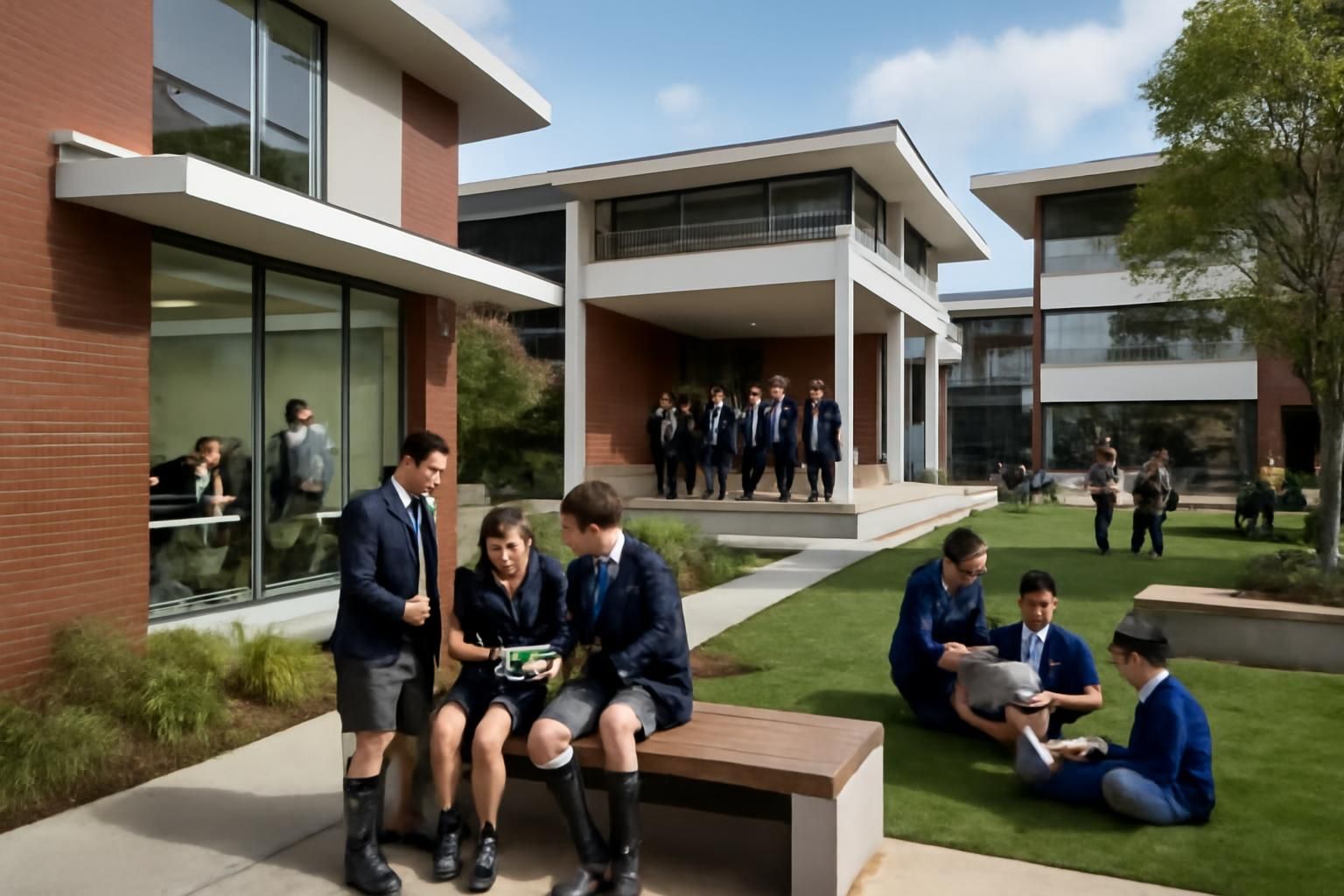
Academic Performance and Outcomes: Comparing Public and Private Schools in Australia
Academic performance is a core consideration in assessing public versus private education in Australia. Private schools have traditionally boasted higher standardized test scores and secondary school outcomes, largely attributable to smaller class sizes, greater funding, and access to enriched curricula such as the International Baccalaureate (IB) and advanced placement courses. In 2026, private schools continue to dominate in ATAR (Australian Tertiary Admission Rank) results, with a higher proportion of students achieving top scores.
Nevertheless, academic success is not solely confined to private institutions. Many public schools, particularly selective government high schools and institutions located in advantaged areas, report exemplary outcomes rivaling those of their private counterparts. These schools often benefit from targeted funding, motivated teaching staff, and engaged parent communities, contributing to a high-quality academic environment.
One must also consider academic performance in the context of student diversity. Public schools typically enrol children from a wide range of economic, cultural, and linguistic backgrounds. This diversity can present additional challenges in achieving top-tier academic results but also offers a richer social environment that prepares students for diverse workplaces and communities.
The variety in curriculum delivery is notable. Public schools adhere to the Australian Curriculum but may have less flexibility compared to private schools, which often supplement with religious education, international programs, or specialized courses in arts and sciences. Such offerings can stimulate student interest and provide pathways to competitive university programs.
Ultimately, the choice concerning academic excellence depends on individual school profiles rather than sector alone. Parents are encouraged to research specific local schools, their results, and how well their educational approach aligns with the child’s learning style. Interactive resources and school ranking tools can provide valuable insights into school performance in your area.
For parents looking to understand how schools compare academically, this guide offers updated data and analyses on school performance.
The Role of Class Size and Individual Attention in Child Education
Class size significantly impacts the quality of child education and is a crucial factor differentiating public and private schools in Australia. Smaller class sizes, common in private schools, allow educators to provide more individual attention, customizing teaching strategies to suit each student’s strengths and challenges. This tailored approach often enhances student outcomes and engagement, particularly for those requiring additional support or enrichment.
In public schools, larger class sizes are typical due to funding constraints and student enrolment volumes. Though effective teaching can and does occur in larger classrooms, the capacity for personalized interaction diminishes as class numbers climb. Increased class sizes can introduce challenges in classroom management and limit opportunities for one-on-one support.
Despite this, public schools implement various strategies to address these challenges. For example, teaching assistants, peer tutoring programs, and technology integration help mitigate the effects of larger classes. Additionally, some public schools have set policies capping class sizes in early years to ensure foundational skills are solidly developed.
Educational research consistently shows that early years benefit most from smaller classes, which is a point private schools leverage in promoting their fee structures. However, beyond primary school, the difference in class size impact becomes more nuanced, with factors like teacher quality and curriculum relevance gaining prominence.
The decision on class size’s importance depends on individual parental priorities and the child’s learning preferences. For students thriving with individualized support, private schooling may be preferable, while those enjoying collaborative, diverse classrooms might flourish in well-resourced public schools with larger cohorts.
School Facilities and Extracurricular Opportunities: What Your Child Can Expect
School facilities and extracurricular activities shape the broader educational experience beyond academics, influencing student well-being, interests, and social skills. Private schools in Australia are often celebrated for their extensive resources: modern laboratories, cutting-edge sports complexes, dedicated arts studios, and tech-enabled learning environments are common hallmarks.
These institutions typically offer a wealth of extracurricular programs ranging from elite sports teams, music ensembles, drama clubs, to foreign language immersion programs, nurturing well-rounded development. The holistic approach embraced by many private schools aligns with their mission to foster leadership, creativity, and interpersonal skills.
Public schools, while varying significantly, often face challenges in matching the scale and breadth of resources found in many private schools. However, numerous public schools actively partner with community organizations and government initiatives to enhance their offerings. Some government schools in affluent catchment areas provide excellent facilities and extracurricular choices that rival private school programs.
A key strength of public schools lies in their ability to reflect the community’s culture in their programs, ensuring inclusivity and accessible participation. They often champion activities like multicultural festivals, community service projects, and engagement with local industries, helping students build social awareness and connection.
Therefore, while private schools may boast superior facilities, public schools can deliver rich extracurricular experiences that promote social cohesion and community belonging, factors equally important to a child’s development.
Analyzing Tuition Fees: The Financial Commitment of Private Education versus Public Schooling
Tuition fees remain the most tangible difference between private and public schooling in Australia, significantly affecting family decisions on education pathways. Private schools demand fees that average from $23,000 to over $50,000 annually depending on the level of prestige, location, and amenities offered. This financial commitment encompasses not only tuition but additional costs such as uniforms, books, excursions, and voluntary contributions.
For many families, these expenses require careful budgeting and may necessitate sacrifices or financial assistance through scholarships. In contrast, public schools offer education at no tuition cost or with minimal associated fees, making them more accessible and equitable for a broad demographic.
The high cost of private education can be justified by the smaller class sizes, advanced facilities, and tailored academic programs they provide. However, it is essential to consider whether these benefits translate into proportional outcomes, especially given that many public schools offer quality education without the financial burden.
Some parents view private school fees as an investment in their child’s future, anticipating advantages in academic performance, university placements, and networking opportunities. Others emphasize that public schooling, supplemented with tutoring and community activities, can yield comparable results at a fraction of the cost.
When evaluating tuition fees, families should also consider the availability of scholarships and bursaries that can reduce financial strain. Resources such as Dr. Study Tutoring’s private vs public schools guide provide valuable information on educational expenses and how to navigate funding options.
Social Environment and Diversity: The Impact on Student Development in Australian Schools
The social environment within schools significantly influences a child’s personal and academic growth. Public schools in Australia are renowned for their socio-economic and cultural diversity, with student bodies that mirror the multicultural fabric of the nation. This diversity fosters inclusiveness, empathy, and adaptability, preparing young people for life in a pluralistic society.
Such environments expose students to varied perspectives, enhancing critical thinking and social skills. Public schools frequently engage with families from diverse backgrounds, encouraging events that celebrate different cultures and languages, embedding respect and understanding in everyday school life.
Conversely, private schools often have a more homogenous student demographic due to tuition costs and selective admissions. While many private institutions actively promote inclusivity through scholarship programs, the overall diversity levels tend to be lower compared to public schools. Some families view this as beneficial, perceiving private school communities as providing a more stable and focused learning environment.
The choice between these environments should consider how a child responds to diversity and community interaction. Students who thrive in varied social settings or benefit from exposure to multiple cultures may find public schools more enriching. Those seeking cohesive peer groups and similar socio-economic backgrounds might prefer private schooling.
Ultimately, a supportive school culture—be it in a public or private context—is crucial. Both sectors provide pastoral care, mental health programs, and student services designed to nurture emotional well-being and resilience.
Key Factors for Parents When Deciding Between Public and Private Schools
Choosing between public and private schools in Australia involves balancing numerous factors that affect the educational and social environment for your child. Parents should carefully weigh each aspect to make decisions that align with both family priorities and the child’s learning needs.
- Individual Learning Needs: Does the school ability to provide tailored academic support, including programs for gifted children or those requiring special assistance?
- Financial Capacity: Can the family comfortably afford private school tuition fees without compromising other necessities?
- Extracurricular and Enrichment Activities: Does the school offer programs that align with the child’s interests in sports, arts, or technology?
- Social Environment and Values: Does the school culture promote values and community engagement consistent with family beliefs?
- Geographic Accessibility: Is the school logistically convenient, minimizing long commutes or relocation challenges?
Additionally, prospective parents are encouraged to visit schools, meet staff, engage with student representatives, and review performance metrics and inspection reports. These steps provide first-hand insight that goes beyond statistics and publications.
For comprehensive advice on navigating this process, visit the resource on how to choose the right school in Australia, a detailed guide designed for Australian families.
Supporting Your Child’s Education: The Role of Tutoring Across School Types
Whether your child attends a public or private school, supplementary academic support can enhance their learning journey. Tutoring services like Dr. Study Tutoring offer personalized programs tailored to the Australian curriculum, addressing individual learning gaps and reinforcing classroom material.
Small tutor-to-student ratios (such as 1:4) enable focused attention, helping students build confidence and mastery in subjects ranging from mathematics to literacy. These services can also prepare students for pivotal assessments like NAPLAN, selective school entry exams, and scholarship tests, which can influence future educational trajectories.
Different school systems may present various academic challenges, but tutoring provides a leveling effect, ensuring students receive the support they need to reach their potential. The holistic approach focuses not only on academic outcomes but critical thinking, problem-solving, and time management skills essential for lifelong learning.
Parents seeking to give their children the best chance at success can explore tutoring options that complement their school’s curriculum and teaching style. More information about these services is available through tailored platforms such as Dr. Study Tutoring’s comprehensive guide.
How do public and private schools differ in Australia?
Public schools are primarily funded by the government and usually have minimal or no tuition fees, offering accessible education to all. Private schools rely on tuition fees supported by government subsidies and often provide smaller class sizes and enhanced resources.
Are private schools better for academic performance?
Private schools often report higher academic results linked to smaller class sizes and additional resources. However, many public schools, especially selective government schools, also provide high-quality education tailored to student needs.
Is investing in private school education worth it?
This depends on families’ financial situations and the child’s educational needs. Private education requires significant tuition fees but may offer benefits such as individualized learning and enriched programs. Families should weigh these against their priorities and budgets.
How can I support my child academically in any school?
Tailored tutoring that aligns with the Australian curriculum helps students excel regardless of school type. Programs focusing on study skills, exam preparation, and personalized learning plans greatly enhance student outcomes.
What should I consider most when choosing between public and private schools?
Consider your child’s learning style, social preferences, family budget, school location, and the specific programs offered by the school. Visiting schools and consulting resources can help make an informed choice.