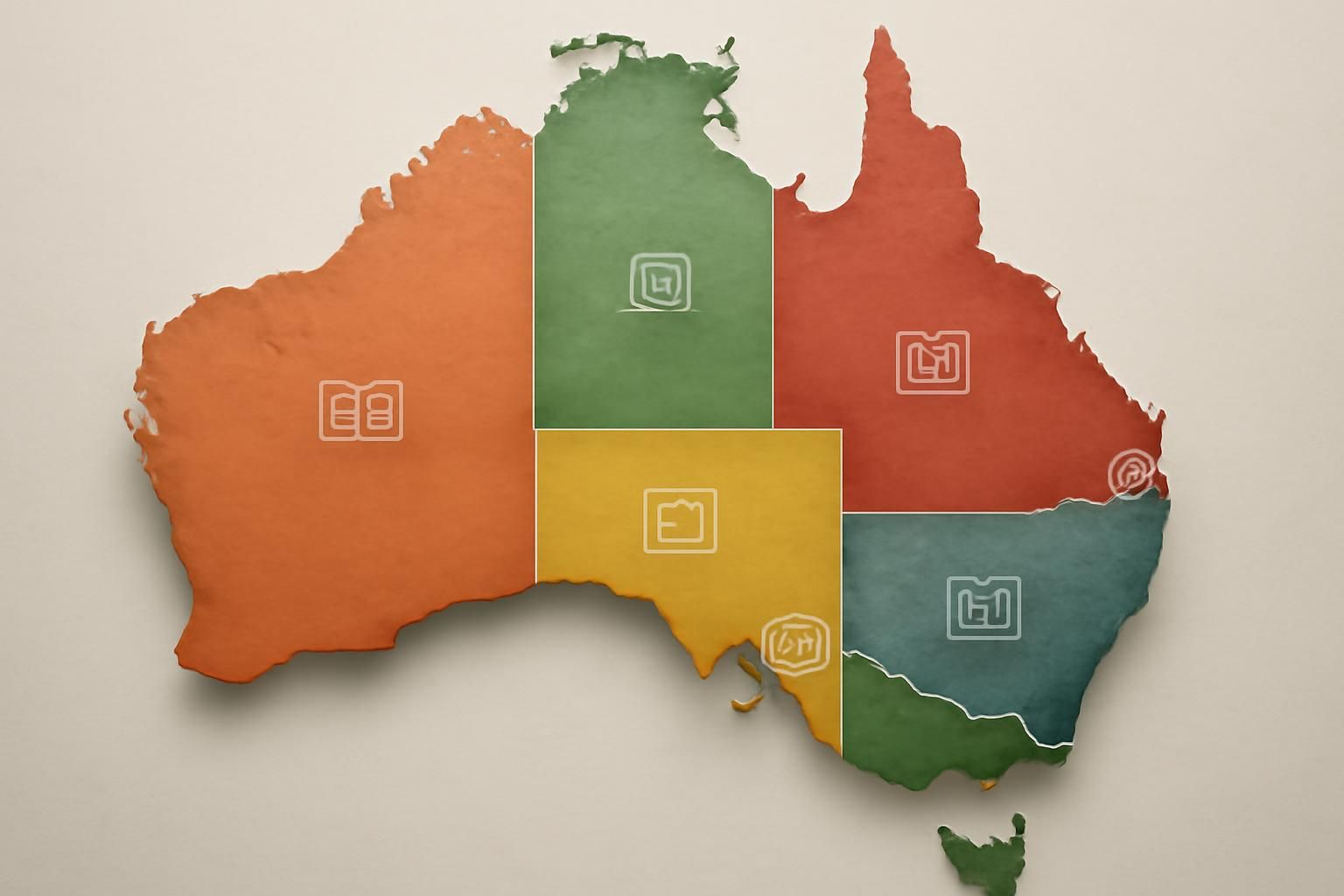
As homeschooling continues to grow in popularity across Australia, parents are increasingly faced with understanding the shifting landscape of education regulations by state. Each region’s legal guidelines set distinct parameters for homeschooling families, from registration requirements to curriculum oversight. What begins as a personal educational choice swiftly entwines with the nuanced legal frameworks established by individual state governments. The 2025 homeschooling laws reflect this state-by-state variation, offering opportunities and challenges to parents eager to tailor their children’s education within the bounds of regulatory compliance and parental rights. Navigating these differences is essential, helping families secure a compliant, enriching home education for their children.
Key highlights from Australia’s homeschooling landscape in 2025 include the mandated registration with local educational authorities, variances in compulsory attendance ages, and ongoing academic monitoring. Queensland, New South Wales, and Western Australia continue to feature specialized provisions for distance education, broadening options for homeschooling families further. These evolving rules illustrate a nation-wide trend toward recognizing and supporting diverse educational pathways outside traditional schooling systems, while still protecting educational standards. This article unpacks the critical elements every homeschooling parent in Australia should be aware of for the coming year, balancing the rights to educate freely with the state’s responsibilities to ensure quality education.
Understanding the Legal Status of Homeschooling in Australia by State
Homeschooling across Australia operates under a decentralized system where six states and two territories individually regulate education via their own Education Acts. This decentralized approach means homeschooling is legally permitted nationwide, but governed by differing homeschooling laws depending on the state or territory. Parents seeking to homeschool their children must navigate a framework where registration with a respective state or territorial education authority is compulsory.
For instance, in the Australian Capital Territory (ACT), parents must submit an education plan detailing the curriculum and assessment methods for approval. Similarly, in Victoria, authorities require a detailed registration process that includes educational outlines and ongoing monitoring to ensure compliance with compulsory education rules, which typically span children ages 6 to 15. The Northern Territory mandates periodic assessments and progress reports to safeguard educational standards. Therefore, understanding the specific state differences in registration procedures, reporting requirements, and monitoring is an essential first step for parents.
Each state has designated officials, often within the Department of Education, responsible for inspecting, approving, and sometimes advising on home education programs. If disagreements arise—such as a refusal to approve a homeschooling application—a Home Tuition Appeals Board or equivalent body may intervene, recommending courses of action to the Education Minister. This layered governance structure reflects a balance between respecting parental rights to educate their children at home and the government’s role in ensuring children receive an effective education.
To explore the specific legal frameworks governing homeschooling in each Australian state, parents can consult comprehensive resources such as state-by-state homeschool laws and obligations. These resources provide detailed insights into procedural steps, recommended documentation, and compliance tips, guiding families from inquiry to formal registration.

Registration Processes and Homeschool Requirements Across Australian States
Registering as a homeschooling family is a universal requirement across Australia, yet each state demands a unique process reflective of its legal stance on home education. Generally, parents are required to submit a learning plan or curriculum outline, demonstrating their approach to meeting educational standards. This submission often entails specifying subjects, teaching methods, and assessment schedules to be used during the homeschooling journey.
In Queensland, one of the fastest-growing homeschooling states, families must apply to the Department of Education and provide a comprehensive learning plan. This application is reviewed by appointed education officers who ensure the plan aligns with state educational expectations. Queensland also emphasizes ongoing reporting, where progress reports are submitted annually to maintain homeschooling approval.
In Western Australia, parents may receive exemptions from compulsory attendance laws after providing an approved home tuition program. The responsibility for reviewing and approving these programs lies within the Education Department’s District Directors. Such direct oversight ensures that homeschooling maintains academic rigor comparable to conventional schooling.
New South Wales requires families to register their homeschooling status with the state education authority, submitting evidence of educational provision. They also provide guidelines around the use of registered non-government distance education schools. Enrolling children through these distance schools qualifies as homeschooling under the law but comes with official teacher support, negating the need for separate registration.
Homeschool requirements also differ concerning compulsory attendance ages and obligations for subject matter. While most states enforce compulsory education between ages 6 and 15, parents are obligated to accommodate children’s developmental needs through curriculum flexibility. For legal and practical support, parents may refer to platforms like My Homeschool Australia’s comprehensive guides which consolidate registration processes, recommended curricula, and legal requirements by state.
These registration systems underscore a collaborative rather than adversarial relationship between homeschooling families and education authorities. Parents gain the freedom to tailor education while being accountable for measurable academic outcomes through regular submissions and inspections.
State Differences: Key Variations in Homeschooling Education Regulations
Australia’s education regulations illustrate significant disparities in homeschooling across states, a mosaic created by legislative independence. These differences influence not only registration but also curriculum expectations, monitoring frequence, and support services available to families.
For example, Tasmania’s homeschooling regulations require parents to submit a detailed program planning document along with supporting evidence of the child’s progress periodically. The state places high emphasis on child welfare and educational adequacy, requiring inspections at regular intervals.
Conversely, South Australia provides a more flexible framework, focusing on parental responsibility with less intrusive monitoring. Here, parents must register and submit annual progress reports but receive broader discretion in designing educational content and pace.
The Northern Territory’s approach integrates both compulsory registration and monitoring with family support programs designed to assist parents in delivering curriculum content effectively. This blend reflects a commitment to maintaining standards while empowering parents.
Such stark contrasts highlight the importance of investigating legal guidelines specific to one’s residential area. For instance, families in New South Wales have access to registered distance education schools that supplement homeschooling by providing professional teacher support and learning resources. These options contrast with Victoria’s stricter hands-on review system, which requires families to demonstrate continuous measurable progress.
As homeschooling numbers increase — noting a doubling in some jurisdictions since 2018 — these variations necessitate that parents stay informed to comply fully with their state’s statute. Resources such as CambriLearn’s guide to homeschooling in Australia help clarify these complex state differences, offering tailored advice on regulatory compliance and educational best practices.
Parental Rights and Responsibilities Under Australian Home Education Policies
The concept of parental rights forms the backbone of homeschooling in Australia, balanced carefully against state interests in ensuring educational adequacy. Parents have the fundamental right to choose how and where their children are educated, a freedom recognized and protected by law across all Australian states and territories. However, this right comes with responsibilities to adhere to state-mandated standards and demonstrate effective educational delivery.
Homeschooling parents are expected to take active roles in curriculum design, teaching, and assessment, ensuring their children meet minimum educational outcomes. The educational process includes not only academic instruction but also the promotion of social and developmental milestones. In cases where education authorities find homeschooling programs lacking, parents may be required to modify or enhance their methods, occasionally subject to oversight by appeals boards or educational committees.
Additionally, parents must maintain comprehensive records of their children’s learning activities and progress. This documentation supports regular compliance reviews by education officers who evaluate whether the homeschooling arrangement remains in the child’s best interest. This accountability mechanism establishes a framework where parental rights coexist with quality assurance.
Moreover, homeschooling parents have access to various support networks, including organizations like the Home Education Association and Australian Christian Home Schooling. These groups provide legal advice, educational resources, and community connections, empowering parents in their instructional role while helping them navigate Australian homeschooling laws as they evolve.
Parents considering switching to homeschooling can find valuable start-up information and practical legal guidance at sites like Help Me Homeschool Australia, which demystify the legal frameworks surrounding home education and equip families for sustained success.
Practical Curriculum Options and Compliance in Australian Homeschooling
Parents face a diverse array of curriculum choices when homeschooling in Australia, with options ranging from accredited distance education programs to tailor-made home curricula. States do not generally impose a mandatory syllabus on homeschooling families but expect educational programs to be comprehensive and balanced.
Australian parents often choose curricula that align with the national curriculum framework; however, many incorporate alternative education philosophies such as Montessori, Steiner, or unschooling, granted they meet the state’s educational adequacy criteria. For instance, Western Australia’s regulations require education authorities to approve the curriculum submitted as part of the registration process, encouraging parents to incorporate measurable goals and learning activities.
Distance education schools registered with Queensland, New South Wales, or Western Australia provide structured curriculum resources, teacher feedback, and formal assessments, offering a hybrid between full homeschooling and enrolled schooling. These programs exempt enrolled children from standard homeschooling registration, as they fall under state school regulations.
To maintain compliance, parents often draft annual learning plans detailing subjects, intended outcomes, and assessment methods that address literacy, numeracy, sciences, and the arts. Compliance audits by education officials may request samples of student work, attendance records, and progress reports to verify academic progress.
Parents looking for tailored resources, curricula recommendations, and compliance assistance can explore detailed advice and templates at Homeschool Start Guide Australia, which provides comprehensive tools specifically designed for Australian homeschooling laws and needs.
How State Authorities Monitor and Support Homeschooling Families
Monitoring homeschooling families is a crucial aspect of state education departments’ responsibilities to ensure the quality of education. This oversight varies but typically includes evaluation of learning plans, periodic assessments, and occasional home visits. Approved homeschooling families routinely submit evidence such as progress reports, samples of work, or records of educational activities.
In some states, district education officers or designated officials conduct in-person inspections of home education environments to assess the suitability and effectiveness of the teaching program. If an education plan is deemed insufficient, officials work with parents to recommend adjustments or enhancements fostering better educational outcomes. Where disagreements persist, parents have the right to appeal through established boards or tribunals.
Support mechanisms also exist, aiming to help parents fulfill their educational role. Some states offer access to workshops, educational materials, and counseling services related to home education. In Queensland and Western Australia, for example, registered distance education schools extend teacher support, assessment services, and curriculum resources, blending home-based learning with professional guidance.
The ongoing increase in homeschooling numbers has prompted authorities to improve communication and resource sharing to better serve families opting for this approach. The collaborative model seeks to respect parental rights while safeguarding educational standards across all jurisdictions.
National Trends in Homeschooling and Implications for Parents in 2025
Homeschooling in Australia experienced significant growth over the past decade, and 2025 reflects this continuing trend with an estimated 42,000+ students registered nationally. This surge largely results from parents seeking flexible educational options, desire for personalized learning, or concerns regarding traditional school environments.
This rise has prompted more refined policies and resource development, responding to families’ varying motivations and needs. Australian homeschooling families now benefit from enriched support systems, online communities, and government-backed resources tailored to the diverse legal contexts across states.
Despite the growing acceptance, navigating homeschooling laws remains complex due to distinct statutory languages and procedural demands. Parents must stay informed and proactive about changes in legislation, registration deadlines, and reporting requirements relevant to their specific state.
For prospective homeschooling parents, accessing updated guidance via trusted platforms such as Euka’s legal outlook on homeschooling in Australia provides essential insights. Being equipped with current information allows families to maximize educational outcomes while ensuring full adherence to legal guidelines and expectations.
Resources and Support Networks for Homeschooling Parents Across Australia
Successful homeschooling in Australia is bolstered by extensive networks and resources tailored for families at every stage of the journey. National and state-specific organizations offer a wealth of support including legal advice, curriculum development guidance, social events, and advocacy services.
The Home Education Association and Australian Christian Home Schooling provide legal assistance and community connections, giving parents confidence navigating jurisdictional complexities. Additionally, many online platforms centralize information on registration processes, curriculum suggestions, and compliance advice, making them invaluable tools for homeschooling families.
Practical resources include printable learning templates, sample education plans, and detailed checklists to assist parents in fulfilling regulatory requirements efficiently. Social homeschooling groups foster peer support, enriching children’s social experiences and helping parents exchange teaching strategies.
Families also frequently turn to professional educational consultants and distance education providers to supplement their home teaching, leveraging expertise in curriculum design and assessment. Access to these layers of support ensures parents can maintain a balanced, legally compliant, and enriching homeschool environment.
For in-depth assistance, parents may consult comprehensive websites such as Babyology’s homeschool guide or Dr Study Learning’s homeschooling resources, which address common concerns from legal frameworks to day-to-day management of home education.
Is homeschooling legal everywhere in Australia?
Yes, homeschooling is legal in all six states and two territories of Australia. However, parents must register with their respective state or territorial education authorities and comply with local regulations and requirements.
What are the compulsory attendance ages for homeschooling in Australia?
Compulsory education generally applies to children aged 6 to 15 across most Australian states, although specific requirements and enforcement vary by jurisdiction.
Do homeschooling parents need to follow the national curriculum?
Parents are not strictly required to follow the national curriculum but must demonstrate that their homeschool program meets expected educational standards within their state.
Can homeschooling families get support from state educational authorities?
Yes, many states offer support including curriculum advice, assessment resources, and sometimes teacher support, especially for families enrolled in registered distance education schools.
How often do homeschooling families need to report to education authorities?
Reporting frequency varies by state. Some require annual progress reports, others may request more frequent updates or periodic home visits for program assessment.